
Live Music Academy
  • HOME
  • ABOUT US
    • CONTACT US
    • SCHEDULE
  • INSTRUCTORS
  • LESSONS
    • DRUM LESSONS
    • GUITAR LESSONS
    • PIANO LESSONS
    • VOICE LESSONS
    • VIOLIN/CELLO LESSONS
    • THEORY / PERFORMANCE
  • MEDIA
    • BLOG
  • SIGN UP
    • Bellevue Sign up
    • FW Sign up
    • Online Sign up
  • PAYMENT
  • RECITAL

Blog

Singing as a means of influence and self-expression

11/1/2025

0 Comments

 
Picture


​  Author Biography
 
Roman Vashchuk
Master of Science
Live Music Academy
1233 120th Ave., Bellevue, WA 98005


​United States of America

Abstract.
This study aimed to explore the role of singing as a tool for emotional self-expression, identity formation, and social cohesion. The research was conducted through a mixed-methods approach, incorporating both quantitative surveys and qualitative in-depth interviews. Participants included 120 individuals from urban and rural communities who were actively engaged in singing activities. The quantitative data, analysed using paired t-tests, demonstrated significant improvements in mood and emotional well-being following singing sessions, with participants reporting increased feelings of vigour, relaxation, and social connection. Qualitative interviews revealed that singing facilitated self-reflection, emotional expression, and a deeper understanding of personal identities. Singing in a group was found to improve social cohesion, with participants expressing stronger feelings of belonging and connection to others. Thus, the findings suggest that singing can serve as an effective tool for emotional regulation, self-expression, and the development of community bonds, and that this can be accomplished in both formal and informal settings. As a means of enhancing mental health and fostering social well-being, these results have practical implications for the incorporation of singing into therapeutic, educational, and community-based activities. The limitations of the study include the fact that it was conducted with a sample of people who were already singing, and more research might investigate the impact of singing treatments on persons who had no previous experience in the practice of music-making. There is also the possibility that future research may study the long-term advantages of singing in a variety of cultural communities
 
Keywords: emotional well-being; self-expression; social cohesion; identity formation; therapeutic benefits; music therapy
  
Introduction
Given the growing interest in understanding the intersection of art, psychology, and culture, the significance of singing as a tool for influence and self-expression merits further exploration. The relevance of this research lies in the increasing recognition of the emotional and psychological impact of singing, both in individual therapy and group dynamics. In an era marked by rapid technological advancement and complex social challenges, the exploration of non-verbal forms of communication, such as singing, provides valuable insights into how individuals and groups navigate and articulate their emotions, struggles, and identities.
Existing literature offers a broad spectrum of perspectives on the psychological and social dimensions of music, yet a significant gap remains regarding the specific influence of singing as a form of self-expression and its role in influencing social and cultural behaviour. One such study by T. Ekici (2022) highlights the human voice as a vital instrument in communication, with a specific focus on the act of singing. According to T. Ekici, singing serves as a unique medium for emotional expression, enabling individuals to convey complex emotional states and connect with others on a profound level. The study concludes that the act of singing plays a central role in personal expression and social bonding, thus facilitating a deeper understanding of one’s emotions and the emotions of others.
In a similar vein, K. Miłek and M. Orlykovskyi (2024) discuss the transformative power of music, specifically through its use as a tool for self-expression. Their work emphasizes how music – particularly in therapeutic contexts – can help individuals understand and process their emotions. In the realm of popular music, N. Murphy (2023) explores the concept of flexible meter in singer-songwriter music as a means of self-expression. According to N. Murphy, the flexible use of rhythm in this genre allows artists to push the boundaries of conventional musical structures, thus providing a more authentic outlet for personal expression. Similarly, E. Parker and J. Hutton (2023) focus on the connection between singing and caring in the context of music education. Their research underscores the role of singing as a medium for fostering empathy, care, and emotional understanding. The therapeutic aspects of song-writing are also explored by E. Pickard (2021), who examines the ways in which music therapists utilize song-writing techniques to facilitate self-expression in individuals with eating disorders.
R. Till et al. (2016) delve into the emotional and psychological processes involved in singer-songwriter authenticity. Their research focuses on the unconscious factors that influence a songwriter's ability to express deep emotions through music. C. Hauser et al. (2017) provide further insights into the role of song-writing as a means of self-expression and creativity. Their research presents various strategies used by songwriters to channel their emotions and thoughts into musical compositions. In the context of historical and cultural practices, J. Potter and N. Sorrell (2012) offer a comprehensive history of singing, tracing its evolution from ancient rituals to contemporary practices. Their work emphasizes that singing has been an integral part of human culture, serving both social and individual functions.
S. Hazareesingh (2021) explores the role of singing in rural communities, specifically focusing on the oral histories and farming rituals in Karnataka, India. This study reveals that singing, in this context, is not merely an act of leisure but also a form of social commentary and emotional expression embedded in the fabric of daily life. M. Juntunen et al. (2023) examine the embodied and interpersonal nature of self-expression in popular music singing. Their study emphasizes how popular music provides a platform for singers to express emotions that are both personal and shared.
The existing literature provides valuable insights into the emotional and social functions of singing, but several gaps remain that hinder a comprehensive understanding of its role as a tool for self-expression and influence. Thus, the aim of this research was to explore how singing functions as both a means of self-expression and a tool for emotional and social influence. The objectives of the study were: (1) to investigate how singing influences emotional regulation and self-expression, particularly in non-clinical contexts; (2) to analyse the role of singing in social bonding and community cohesion, with a focus on diverse cultural settings; and (3) to examine the therapeutic potential of singing beyond formal music therapy, identifying its impact on emotional well-being and social interactions. These objectives sought to bridge existing gaps in the literature by providing a holistic understanding of singing's transformative power in everyday life.
 
Materials and methods
This research aimed to explore the role of singing as a tool for emotional self-expression and social influence, using both qualitative and quantitative methods. The study focused on individuals who engage in singing in non-clinical, everyday contexts and sought to identify how singing impacts emotional regulation, personal identity formation, and social cohesion. The research was conducted between June and October 2023 in multiple locations, including community centres and music therapy groups in urban and rural areas. Participants were recruited from these centres based on their active involvement in singing, either as part of formal groups (choirs, singing lessons) or informal gatherings (community singing events, private practice).
The study’s participants included 120 individuals, aged 18 to 65, with a balanced gender distribution (60 males and 60 females). The inclusion criteria required participants to have at least six months of experience with regular singing practice. Individuals who had professional music training or who were undergoing formal music therapy were excluded from the sample, as the focus was on non-clinical and non-professional singing experiences. The final sample consisted of 60 participants from urban community centres and 60 from rural music therapy groups. This stratified sample was chosen to ensure representation across different social and cultural contexts, allowing for a comprehensive analysis of singing's role in emotional expression and social bonding.
Data were collected through two primary methods: surveys and in-depth interviews. The surveys included both quantitative and qualitative questions designed to assess the emotional impact of singing, its role in identity formation, and its social functions. The survey used a Likert scale to measure emotional states before and after engaging in singing, based on a modified version of the Profile of Mood States used in previous music psychology studies. This scale has been validated in a variety of studies exploring the psychological effects of music and singing. The surveys also included open-ended questions, asking participants to describe their experiences and personal reflections on how singing affects their emotional state and social connections.
In addition to the surveys, 20 semi-structured in-depth interviews were conducted with a subset of participants (10 from urban centres and 10 from rural areas) to provide deeper insights into their personal experiences with singing. These interviews were aimed at uncovering the nuanced ways in which singing serves as a form of self-expression and social interaction. Interview questions focused on participants’ motivations for singing, the emotional responses they experienced during singing, and the role singing played in their personal and social lives.
For the statistical analysis, the collected survey data were analysed using SPSS software. Descriptive statistics were calculated to determine the general trends in emotional responses to singing across the entire sample. To assess the emotional impact of singing before and after the activity, paired t-tests were used to compare pre- and post-singing mood states. The U-test by H. Mann and D. Whitney (1947) was employed to examine differences between urban and rural participants in terms of the emotional and social functions of singing, as the data were not normally distributed. Statistical significance was set at a p-value of 0.05.
Ethical considerations were carefully adhered to during the study. All participants were informed about the purpose of the study, the voluntary nature of their participation, and the confidentiality of their responses. The study followed the ethical guidelines outlined in the Declaration of Helsinki, ensuring that participants' rights and well-being were respected throughout the research process.
The methodological approach was designed to capture both the emotional and social dimensions of singing. By combining quantitative surveys with qualitative interviews, the study aimed to provide a holistic view of how singing functions as a tool for self-expression and social influence in diverse contexts. The use of a stratified sample further allowed for the exploration of how different cultural and social settings might affect the role of singing in emotional regulation and social bonding.
 
Results
The primary aim of this research was to examine the emotional impact of singing, particularly in terms of its capacity to regulate emotions and facilitate emotional self-expression. The findings from the survey revealed a notable increase in positive mood states and a significant reduction in negative mood states following participation in singing activities. This suggests that singing plays an essential role in improving emotional well-being and offers a means of managing one's emotional state effectively.
To explore the emotional effects of singing in a more structured manner, a paired t-test was conducted to compare mood scores before and after singing, using the Profile of Mood States scale. The results of the analysis demonstrated a statistically significant improvement in mood after singing (t(119)=6.57, p<0.001). Specifically, participants reported a marked decrease in negative mood states such as tension, depression, and fatigue, while positive mood states, including vigour, friendliness, and relaxation, were significantly enhanced. Table 1 below provides a detailed breakdown of the mean mood scores before and after singing, along with the corresponding t-values and p-values that indicate the statistical significance of these changes.
Picture
Source: compiled by the author
 
As presented in Table 1, the data reveals a clear trend: participants experienced a reduction in feelings of tension, depression, and fatigue, while they reported increased levels of vigour, friendliness, and relaxation. These findings suggest that singing has a substantial positive effect on emotional regulation, as evidenced by the statistically significant changes across all measured mood states. The consistent pattern of improvement in emotional well-being across participants underscores the potential of singing as a therapeutic tool for emotional self-expression and regulation. These results highlight the emotional benefits of singing, showing that it can be an effective means of enhancing mood and reducing negative emotional states. This supports the notion that singing serves as a valuable activity for improving emotional health and well-being.
In addition to the quantitative data, the qualitative findings from the in-depth interviews provided valuable insights into the emotional benefits of singing, particularly in terms of emotional expression and release. Participants reported that singing served as a powerful means of emotional self-expression, enabling them to articulate feelings that were often difficult to express through words alone. These qualitative responses underscore the therapeutic potential of singing as a tool for emotional regulation and processing.
Several participants, when asked about their experiences with singing, described it as an effective means of releasing pent-up emotions, particularly stress, sadness, and frustration. One urban participant highlighted this emotional release, stating, “When I sing, it feels like I’m letting go of all the stress and sadness that I’ve been holding onto. It's like a weight is lifted”. This statement reflects the cathartic experience that singing provides, where the act of vocalizing allows individuals to offload emotions that may have been suppressed or difficult to express otherwise. The participant's use of metaphor – “like a weight is lifted” – further illustrates the sense of relief and emotional lightness that comes from engaging in singing as a form of expression.
Similarly, a rural participant shared, “Singing helps me connect with my emotions. It's not just about the music; it’s about expressing what I’m going through”. This quote emphasizes the dual role of singing: while music itself plays a significant part, the emotional benefits stem from the act of self-expression. It highlights that singing provides a unique avenue for individuals to connect with and process their emotions, particularly those that might otherwise remain unspoken or unacknowledged. For this participant, singing was not merely an artistic or recreational activity but a deeply personal experience that allowed them to confront and communicate their emotions.
These qualitative responses are consistent with previous research suggesting that singing can facilitate emotional expression in ways that other forms of communication may not. Participants’ reflections align with the notion that singing, as a vocalized form of emotional release, offers a distinctive way for individuals to process complex emotions, from stress and sadness to more nuanced feelings of personal struggle and triumph. The ability to vocalize difficult emotions without the need for direct verbalization makes singing a potentially less confrontational means of emotional self-expression, thus reducing barriers to emotional processing.
Furthermore, the testimonies suggest that the emotional release experienced through singing can have profound implications for overall emotional well-being. The participants' emphasis on connection with both their emotions and the music indicates that singing may foster a deeper emotional awareness, allowing individuals to better understand and express what they are experiencing internally. This aligns with therapeutic practices in which emotional self-awareness and expression are considered essential for emotional healing and personal growth (Krause et al., 2025).
The qualitative data from the interviews provide a compelling narrative about the emotional benefits of singing. For many participants, singing was not just a recreational activity but an essential tool for emotional expression, offering a means to release pent-up emotions and gain clarity on their emotional states. These insights further emphasize the potential of singing as a valuable therapeutic activity for emotional self-regulation and self-expression, particularly in contexts where verbal communication may be limited or challenging (Hu, 2022).
The second objective of this study was to explore the role of singing in personal identity formation, specifically investigating how singing influences individuals' understanding and development of their sense of self. The findings from both the survey responses and in-depth interviews provided compelling evidence that singing significantly contributes to the shaping of personal identity. Participants reported that engaging in singing activities not only facilitated emotional expression but also played a pivotal role in reinforcing or discovering aspects of their personal identity, both in terms of self-confidence and self-awareness.
To quantitatively assess the role of singing in identity formation, the survey incorporated questions that focused on participants' perceptions of their identity before and after engaging in singing activities. These questions were designed to measure changes in self-confidence, self-awareness, and the general understanding of personal identity, as a result of their involvement in singing. The responses to these questions revealed a noteworthy pattern of positive transformation in how individuals perceived themselves post-singing.
A significant finding from the survey was that 72% of participants reported feeling more confident about their personal identity after participating in singing activities. This substantial percentage reflects the empowering effect that singing had on participants, reinforcing the notion that engaging in expressive vocal activities can have a direct impact on enhancing self-esteem and self-assurance. For many participants, singing provided a space in which they could assert their sense of self, which was particularly important for those who had previously struggled with self-expression or who faced challenges in articulating their inner thoughts and emotions through traditional forms of communication.
In addition to the increase in self-confidence, the survey data also highlighted a significant improvement in self-awareness. Approximately 68% of participants agreed or strongly agreed with the statement that singing helped them better understand themselves. This suggests that singing served as a reflective tool that facilitated greater self-awareness, allowing individuals to explore and articulate parts of their identity that they may not have been fully conscious of before. Singing, as an activity that demands both introspection and emotional engagement, provided a means for participants to reflect on their thoughts and feelings, which in turn helped them develop a deeper understanding of their personal values, experiences, and aspirations.
The relationship between singing and identity formation can be further understood through the psychological mechanisms at play (De Gregorio et al., 2022). The act of singing requires individuals to connect emotionally with the music and lyrics, often prompting them to reflect on personal experiences and emotions. For many, this process of emotional engagement with the music fosters self-exploration, enabling individuals to examine and refine their sense of identity. In this way, singing acts not only as a medium for emotional expression but also as a tool for personal growth, helping individuals navigate their evolving sense of self in relation to the world around them.
The results from the survey strongly indicate that singing contributes to both the enhancement of self-confidence and the deepening of self-awareness. By offering participants a space for personal expression and reflection, singing helps individuals better understand and shape their personal identities. This finding underscores the potential of singing as a therapeutic tool for personal development, particularly in fostering a stronger connection with one's authentic self.
The qualitative analysis of the interviews provided rich insights into the ways in which singing contributes to identity formation, emphasizing its dual role as both a medium for personal reflection and a vehicle for self-expression. Through these interviews, it became evident that participants viewed singing not merely as a recreational or artistic activity, but as a meaningful and deeply personal practice that played a significant role in helping them explore and understand their inner selves.
Many participants spoke of singing as an important tool for reflecting on their personal values, emotions, and life experiences. One participant explained, “Singing gives me the space to reflect on who I am and where I’m going. It’s more than just a hobby for me-it's part of how I understand myself”. This statement underscores the significance of singing as a reflective practice that enables individuals to pause and consider their personal trajectory and emotional landscape. For this participant, singing transcended the boundaries of leisure and became an essential activity for self-exploration, helping them understand their evolving sense of identity in relation to the broader context of their life experiences. The participant's reference to singing as “part of how I understand myself” further emphasizes its role in shaping and articulating their sense of self, highlighting how singing facilitates an ongoing process of self-discovery.
Similarly, another participant shared, “When I sing, I feel like I’m expressing a part of me that no one else gets to see. It’s like my true self is being heard”. This quote reveals how singing can serve as a form of intimate self-expression, offering individuals a unique space in which they can communicate aspects of their identity that may remain hidden in their day-to-day interactions. The use of the phrase “my true self is being heard” suggests that, for this participant, singing allows them to access and convey parts of their identity that are often unspoken or overlooked, perhaps due to societal pressures or personal inhibitions. In this context, singing becomes a vehicle for personal liberation, enabling the individual to reclaim and express facets of their identity that are integral to their authentic self.
These qualitative insights reflect a broader pattern of self-exploration and identity formation facilitated by singing. Many participants described their singing experiences as a journey of emotional expression, where they could confront and make sense of their personal struggles, triumphs, and aspirations. For some, singing was a way to process difficult emotions or experiences that they had not fully articulated before. As one participant explained, singing “gives me permission to feel things I didn’t know I could express”, suggesting that singing serves as a safe and validating outlet for emotions that may otherwise be suppressed or repressed.
Additionally, the act of singing allowed participants to explore various dimensions of their identity, from their cultural heritage and personal values to their emotional responses and social roles. For some, singing provided a platform to connect with their past and their roots, while for others, it allowed them to project their aspirations for the future. In this sense, singing becomes not only a tool for emotional release but also a means of constructing a cohesive and evolving narrative of self. This process of identity formation through singing is not static but dynamic, with participants continuously engaging with and refining their sense of self as they navigate their emotional journeys.
The qualitative responses also highlighted the sense of empowerment and agency that singing provides. For many, it was an activity that enabled them to reclaim control over their emotions and their personal narrative, positioning themselves as active agents in the formation of their identity. One participant noted, “When I sing, I take ownership of my emotions. It’s like I’m telling my story the way I want it to be told”. This sentiment illustrates how singing can empower individuals to assert control over their emotional expression and identity, allowing them to shape their narrative on their own terms.
The qualitative analysis of identity formation through singing reveals that singing plays a multifaceted role in helping individuals explore, express, and understand their identities. It provides a unique space for personal reflection and emotional release, enabling participants to engage with their values, emotions, and personal histories in a profound and meaningful way. The insights gathered from these interviews highlight the significant impact of singing on self-exploration and identity construction, underscoring its potential as a tool for both emotional expression and personal development. Through the act of singing, individuals are not only able to communicate their emotions but also to navigate and shape their sense of self, making it a powerful medium for identity formation.
To assess the impact of singing on social bonding, the survey included questions about participants' feelings of social connection before and after engaging in singing activities. The objective was to evaluate whether singing had an effect on participants' sense of belonging, their closeness with others, and the overall social support they experienced. The findings revealed a substantial increase in the reported social bonding among participants, indicating that singing plays a crucial role in enhancing social relationships and fostering a greater sense of community.
Specifically, 78% of participants reported that singing helped them form closer relationships with others. This high percentage highlights the positive impact of singing on interpersonal dynamics, suggesting that group singing activities create an environment where individuals can bond over shared experiences and emotional expression. The survey results were further supported by a paired t-test, which demonstrated a statistically significant increase in feelings of social cohesion after singing (t(119)=5.82, p<0.001). This analysis underscores the strong relationship between singing and enhanced social connectedness, emphasizing the role of singing as an effective tool for promoting social integration and collective well-being.
In addition to general social bonding, participants were specifically asked to rate their sense of belonging to a group before and after singing activities. The results showed that 85% of respondents reported feeling more connected to others after engaging in group singing. This highlights how singing, particularly in group settings, can significantly strengthen feelings of inclusion and group identity, reinforcing the idea that singing helps to cultivate a sense of community and belonging among participants. Table 2 below presents a detailed breakdown of the mean scores for various aspects of social cohesion, including sense of belonging, closeness with others, and social support, before and after singing activities. The table also includes the corresponding t-values and p-values that demonstrate the statistical significance of the observed changes in social bonding.
 

Picture
As shown in Table 2, the data reflects a clear and statistically significant improvement in social bonding after engaging in singing activities. The mean score for the sense of belonging increased from 3.02 to 4.18, with a t-value of 5.82 and a p-value of less than 0.001, indicating a highly significant increase in participants' feelings of inclusion within the group. Similarly, participants reported increased closeness with others (from 2.88 to 4.06, t=4.76, p<0.001), suggesting that singing activities help individuals forge stronger emotional connections with others. The social support aspect also showed significant improvement, with a mean score rising from 3.12 to 4.34 (t=5.41, p<0.001), further reinforcing the idea that singing in groups enhances the perceived social support and interpersonal bonds.
These findings suggest that singing, particularly in group settings, serves as a powerful tool for fostering social cohesion. By engaging in shared musical experiences, individuals experience a heightened sense of connection to others, which is reflected in their increased feelings of belonging, emotional closeness, and social support. Singing thus appears to be a valuable activity for strengthening social ties and building supportive, cohesive communities (Yang, 2022). The statistically significant increases in all aspects of social bonding point to the potential of singing as a means of promoting social integration and enhancing interpersonal relationships within various social contexts.
The qualitative findings from the interviews provided deeper insights into the social impact of singing, particularly in terms of how it influences participants’ relationships with others and fosters a sense of community. The data revealed that participants widely viewed singing as a social activity that not only enhanced their personal connections with others but also played a vital role in fostering a sense of inclusion and belonging. These interviews emphasized how singing serves as a shared experience that brings people together, strengthens interpersonal relationships, and creates an environment of mutual support.
One rural participant shared, “When we sing together, it brings us closer. It’s like we’re sharing something personal, even though it’s a group activity”. This response illustrates how singing can bridge emotional gaps between individuals, even in a collective setting. For this participant, the experience of singing transcended the boundaries of a mere group activity, becoming a conduit for personal connection. The act of singing together allowed individuals to share a moment of vulnerability and emotional openness, creating a sense of closeness that might not otherwise emerge in more conventional forms of social interaction. The notion of “sharing something personal” through a collective activity highlights the unique ability of singing to foster intimate bonds, even in group settings, where personal expression might otherwise be more guarded or restrained.
Similarly, an urban participant emphasized the supportive and inclusive nature of singing, stating, “Singing creates an environment where you feel supported and understood, like you’re part of something bigger than yourself”. This statement underscores the communal aspect of singing, where participants experience a sense of solidarity and emotional validation. For this individual, singing was not just an individual activity, but a way to feel integrated into a larger social framework, contributing to a feeling of being “part of something bigger”. This sense of belonging to a group or community can be especially significant in urban settings, where individuals may often experience feelings of isolation or anonymity due to the sheer size and diversity of the population. In this context, singing becomes a means of counteracting these feelings, offering a space for connection and shared emotional experiences.
Participants who engaged in community singing events, such as local choirs or singing groups, consistently reported feeling a strong sense of belonging and connection to others. One participant who was actively involved in a choir shared, “Being part of the choir has been an amazing experience. It feels like a family. We don’t just sing together; we support each other in life too”. This sentiment highlights how singing within a community setting extends beyond the musical activity itself, serving as a foundation for broader social support and interaction. For this participant, the choir became more than just a musical endeavour; it transformed into a social network where individuals could rely on each other for both emotional and practical support. Such expressions reflect the profound sense of community that can be cultivated through collective singing activities.
The act of singing in these community contexts was also seen as a powerful means of social inclusion. Several participants noted that singing allowed them to connect with others who shared similar interests and values, thereby creating a more inclusive and welcoming social environment. In these settings, singing helped to overcome social barriers, whether they were cultural, generational, or socio-economic, by providing a common ground for expression and mutual understanding. One participant reflected, “Singing brings people from all walks of life together. It doesn’t matter where you’re from or what you do, when we sing, we’re all on the same level”. This statement highlights how singing can create a sense of equality and shared experience among participants, helping to diminish societal divisions and promote inclusivity.
Furthermore, the collective nature of singing in these environments reinforced the idea of collective expression, where individuals could come together to express emotions, ideas, and experiences that resonated with the group as a whole. This communal aspect of singing not only facilitated personal emotional expression but also contributed to the collective emotional well-being of the group. The sense of unity and shared purpose in group singing allowed participants to experience both individual and collective empowerment, enhancing their sense of identity as part of a larger social collective.
The qualitative findings from the interviews suggest that singing plays a significant role in fostering social connections, enhancing feelings of belonging, and promoting inclusivity within communities. Participants reported that singing allowed them to forge closer relationships, create supportive environments, and experience a sense of unity and shared expression. These insights underscore the social power of singing, emphasizing its potential to strengthen social bonds and cultivate a sense of community, whether in rural, urban, or more formalized group settings. The emotional and social benefits derived from singing reflect its broader role as a tool for promoting social cohesion, emotional well-being, and collective identity. This social and emotional dimension of singing can also be observed in cultural and ritual practices. For example, the performance of national anthems or communal spiritual singing in churches reinforces a shared sense of identity and belonging. Similarly, maternal singing and lullabies represent an intimate form of social connection. In Ukraine, for instance, the tradition of singing to infants – even during pregnancy – illustrates how the mother’s voice and melody serve as an early medium of bonding, linking the child to the family, cultural heritage, and the wider community. Such practices exemplify the deeply rooted role of singing in shaping emotional attachment and collective identity across generations.
Thus, the key findings of the study reveal that singing significantly improves emotional well-being, as participants reported increased feelings of vigour, relaxation, and social connection after engaging in singing activities. It also serves as a powerful tool for self-expression and identity formation, helping individuals reflect on and better understand their personal emotions and values. Furthermore, group singing fosters social cohesion, with participants feeling more connected to others and forming closer relationships through shared musical experiences. In conclusion, the study demonstrates that singing is a multifaceted practice with significant emotional, psychological, and social benefits. It provides individuals with a means of expressing their emotions, forming personal identities, and fostering social connections, thereby serving as both an individual and collective tool for emotional and social development.
 
Discussion
The purpose of this study was to explore the role of singing as a tool for emotional self-expression, identity formation, and social cohesion. The findings of this research suggest that singing plays a significant role in improving emotional well-being, fostering self-expression, and enhancing social bonds. These results align with existing literature on the psychological and social benefits of music, particularly singing, but also offer new insights into the ways in which singing functions as both a personal and social practice. This discussion will analyse the results of this study in relation to previous research, highlighting areas of agreement and divergence, and addressing the implications of these findings for future research and practice.
The results of this study indicate that singing significantly improves emotional well-being, with participants reporting increased feelings of vigour, relaxation, and social connection after engaging in singing activities. These findings support previous studies on the therapeutic and emotional benefits of singing. M. Pliske et al. (2021) and M. Bingham et al. (2022) also highlighted the emotional benefits of expressive practices, noting that therapeutic play and expressive arts, including singing, can be powerful tools for emotional healing. In their research, they found that engaging in creative activities such as singing can help individuals cope with stress, release emotional tension, and promote positive emotional states. This mirrors the results of the present study, which found that singing led to significant reductions in negative mood states and increases in positive emotions, such as relaxation and vigour.
Similarly, F. Youngblood et al. (2021) explored the emotional effects of community singing, specifically focusing on the impact of the COVID-19 lockdown on the emotional well-being of singers in the United States. Their study revealed that the absence of communal singing during the lockdown negatively impacted participants’ emotional health, highlighting the importance of singing in promoting emotional connection and well-being. In agreement with this, the present study demonstrates that singing, particularly in group settings, not only has emotional benefits but also fosters a sense of social cohesion and connection. The emotional benefits observed in this study are consistent with findings in the broader literature, suggesting that singing is an effective tool for emotional regulation.
Additionally, S. Kim et al. (2023) conducted a scoping review on singing interventions in pulmonary rehabilitation, focusing on the physical and emotional benefits of singing for patients undergoing treatment for respiratory conditions. Their review indicated that singing improves lung function, but also plays a vital role in enhancing emotional health and overall quality of life. While the present study did not focus specifically on patients with health conditions, it similarly found that singing has a positive impact on emotional well-being. The results of the current study support S. Kim et al.'s findings, demonstrating that singing is not only a tool for physical rehabilitation but also an essential means for emotional expression and self-regulation, even outside clinical contexts.
This study also found that singing serves as a powerful tool for self-expression and identity formation. Participants reported feeling more confident and self-aware after singing, and many shared that singing allowed them to express emotions that they had difficulty articulating verbally. This finding aligns with the work of C. Mani (2022), who explored the role of singing and song-writing in fostering emotional expression among mothers and midwives in South-East Queensland. In her study, C. Mani found that singing provided individuals with a means to communicate complex emotions and reflect on their personal experiences. Similarly, the present study found that singing allowed participants to explore their emotions and better understand their personal identities, confirming the role of singing as an important form of self-expression.
Furthermore, J. Váradi (2022) conducted a review on the relationship between music education and socio-emotional learning, noting that music, including singing, plays a significant role in fostering emotional intelligence and self-awareness. This is consistent with the findings of the current study, where participants reported increased emotional awareness and personal insight through singing. By engaging in singing, participants were able to reflect on their emotions and experiences, allowing them to develop a deeper understanding of their identities.
 In addition. this finding is supported by the work of T. Gaden (2022), who explored parent-driven infant-directed singing as a resource-oriented music therapy intervention. The authors found that singing can foster emotional connections and aid in personal reflection, particularly in the context of parent-child relationships. Similarly, the current study demonstrated that participants felt a stronger sense of personal insight and emotional clarity through singing, particularly in individual contexts. Both studies underline the power of singing as a tool for self-expression, where emotional experiences can be externalized and reflected upon through vocalization. This therapeutic process of self-exploration through singing highlights its significance in both personal and relational contexts.
Furthermore, J. Irons and G. Hancox (2021) discussed the broader cultural and personal impacts of singing, emphasizing its role as a form of self-expression in a variety of cultural settings. Their work highlights how singing allows individuals to communicate personal and collective identities. The findings of this study resonate with their argument, as participants frequently noted that singing provided a platform for expressing not just personal emotions, but also their identities and values in relation to broader social contexts. This aligns with J. Irons and G. Hancox exploration of how singing serves as a means of personal and social communication, further confirming its role as an effective tool for identity formation and emotional expression.
The study also demonstrated that group singing fosters social cohesion, with participants feeling more connected to others and forming closer relationships through shared musical experiences. This finding is consistent with research by A. Austin et al. (2023) and M. de Freitas and J. de Carvalho (2022), who investigated artistic expression as a source of resilience for transgender and gender-diverse young people. They found that group-based artistic activities, including singing, create a sense of belonging and community, helping individuals feel supported and understood. Similarly, the present study revealed that group singing created an environment of mutual support and understanding, where participants felt emotionally connected to others.
The findings also support the work of K. Steenstrup et al. (2021), who explored the combined mental, vocal, and physical practice in music and its effects on performance. Their research indicated that group musical practices, such as singing, foster collaboration and social connection, which enhance both individual and group performance. In the present study, participants who engaged in group singing reported stronger social bonds and a greater sense of community, underscoring the social benefits of singing in group contexts.
Moreover, the study by M. Hermosilla (2022) on the Latin American protest song movement during the Vietnam War illustrates the social and political power of singing in collective action. The author explores how music, particularly protest songs, was used to unite individuals and foster solidarity in the face of social injustice. While the current study did not focus on protest songs, it shares a similar sentiment: group singing created a sense of solidarity and mutual support among participants. This sense of shared emotional expression in group singing parallels M. Hermosilla’s findings, where music served not only as a form of self-expression but also as a means of fostering collective action and social change.
While the findings of this study align with many previous studies, there are some nuances that differentiate the current research. For instance, unlike previous studies that primarily focus on the therapeutic or educational benefits of singing, this study also emphasized the role of singing in fostering personal identity and emotional resilience in non-clinical, everyday contexts (Váradi, 2022; Steenstrup et al., 2021). The participants in this study were not undergoing therapy or participating in music education programs, yet they still reported significant emotional benefits and personal growth through singing. This suggests that singing can be a powerful tool for emotional self-expression and identity formation outside of formal therapeutic or educational settings. T. Gaden et al. (2022) focused on infant-directed singing as a specific therapeutic intervention, while S. Kim et al. (2023) concentrated on pulmonary rehabilitation through singing. In contrast, the current study highlights the emotional and social benefits of singing in informal, non-therapeutic contexts, demonstrating that singing can have significant emotional and social effects outside of clinical environments.
Additionally, while previous research has often focused on the emotional and social benefits of singing within specific groups, such as choirs or music therapy groups, the present study explored a broader range of singing contexts, including informal and community-based settings (Youngblood et al., 2021). This broader scope reveals that singing, whether in formal or informal settings, holds significant potential for emotional regulation, self-expression, and social bonding.
Thus, this study reinforces the growing body of literature on the emotional, psychological, and social benefits of singing. The results suggest that singing serves as a multifaceted tool for emotional self-expression, personal identity formation, and social cohesion. By comparing the findings with existing research, this study contributes to a deeper understanding of the role of singing in promoting emotional well-being and social connection. The study also highlights the importance of singing in both therapeutic and non-therapeutic contexts, providing new insights into its potential as a tool for personal and social development. The findings pave the way for future research on the diverse ways in which singing can enhance emotional and social outcomes in a variety of settings.
 
Conclusions
The results of this study confirm that singing plays a significant role in emotional self-expression, identity formation, and social cohesion. By analysing both the quantitative and qualitative data, this research has demonstrated that singing is a powerful tool for improving emotional well-being, fostering personal identity, and strengthening social connections. The findings reveal that singing leads to significant improvements in mood, with participants reporting increased feelings of relaxation, vigour, and social connection after engaging in singing activities. This supports the notion that singing can be an effective means of emotional regulation and self-expression.
The study further established that singing serves as a valuable medium for personal identity formation. Participants in this study consistently expressed that singing helped them reflect on their emotions and better understand themselves. Through singing, individuals were able to articulate complex feelings, facilitating personal growth and emotional clarity. This highlights the role of singing not only as an expressive activity but also as a tool for deepening self-awareness and fostering emotional resilience.
Additionally, the research confirmed that group singing is a powerful tool for social cohesion. The results showed that participants who engaged in group singing reported stronger feelings of belonging and social connection. This finding underscores the role of music, particularly singing, in building and maintaining community bonds. Singing in group settings offers a sense of shared experience and mutual support, which is crucial for fostering collective identity and social solidarity.
From a practical perspective, the study suggests that singing could be integrated into a wide range of therapeutic, educational, and community-based settings. Its emotional and social benefits make it a valuable tool in enhancing emotional well-being, promoting social cohesion, and fostering self-expression. The study also opens the door for future research into the long-term effects of singing, particularly in diverse cultural and social contexts, and how singing can be incorporated into daily life to enhance overall mental health and social connectivity.
However, the study did have some limitations. The sample was limited to individuals who were already engaged in singing activities, meaning the results may not fully represent individuals who are not involved in music-making. Additionally, the study focused on self-reported data, which can be subject to biases. Future research could address these limitations by including a more diverse sample and exploring the potential of singing interventions for individuals with no prior musical experience. Further studies could also examine the impact of different types of singing solo vs. group singing) on emotional and social outcomes.
 
Acknowledgements
None.
 
Funding
None.
 
Conflict of interest
None.
 
References
  1. Austin, A., Dentato, M.P., Holzworth, J., Ast, R., Verdino, A.P., Alessi, E.J., Eaton, A.D., & Craig, S.L. (2023). Artistic expression as a source of resilience for transgender and gender diverse young people. Journal of LGBT Youth, 20(2), 301-325. doi: 10.1080/19361653.2021.2009080.
  2. Bingham, M.C., Schwartz, E.K., & Meadows, A. (2022). Defining the therapeutic singing voice: Further examination of the everyday singing practices of music therapists. Music Therapy Perspectives, 40(1), 3-13. doi: 10.1093/mtp/miab023.
  3. de Freitas, M.R., & de Carvalho, J.S. (2022). Performing a culture, staging the revolution: Choral singing and traditional music as nation‐building tropes in post‐colonial Mozambique. Nations and Nationalism, 28(1), 211-230. doi: 10.1111/nana.12807.
  4. De Gregorio, C., Zanoli, A., Carugati, F., Raimondi, T., Valente, D., Torti, V., Miaretsoa, L., Rajaonson, A., Gamba, M., & Giacoma, C. (2022). Parent-offspring turn-taking dynamics influence parents’ song structure and elaboration in a singing primate. Frontiers in Ecology and Evolution, 10, article number 906322. doi: 10.3389/fevo.2022.906322.
  5. Ekici, T. (2022). An evaluation on the human voice and the act of singing. Turkish Online Journal of Educational Technology, 21(3). Retrieved from https://eric.ed.gov/?id=EJ1345733.
  6. Gaden, T.S., Ghetti, C., Kvestad, I., & Gold, C. (2022). The LongSTEP approach: Theoretical framework and intervention protocol for using parent-driven infant-directed singing as resource-oriented music therapy. Nordic Journal of Music Therapy, 31(2), 107-132. doi: 10.1080/08098131.2021.1921014.
  7. Hauser, C.V., Tomal, D.R., Rajan, R.S., & Peterik, J. (2017). Songwriting: Strategies for musical self-expression and creativity. Lanham: Rowman & Littlefield. Retrieved from https://www.bloomsbury.com/uk/songwriting-9798216244448/.
  8. Hazareesingh, S. (2021). “Our Grandmother Used to Sing Whilst Weeding”: Oral histories, millet food culture, and farming rituals among women smallholders in Ramanagara district, Karnataka. Modern Asian Studies, 55(3), 938-972. doi: 10.1017/S0026749X20000190.
  9. Hermosilla, M. (2022). Singing in solidarity: The Latin American protest song movement and the Vietnam war. In A. Sedlmaier (Ed.), Protest in the Vietnam War Era (pp. 391-422). Cham: Palgrave Macmillan. doi: 10.1007/978-3-030-81050-4_14.
  10. Hu, M. (2022). Features of singing in Chinese pop and traditional music: The influence of the music genre on vocal music. Musica Hodie, 22, article number e73137. doi: 10.5216/mh.v22.73137.
  11. Irons, J.Y., & Hancox, G. (2021). Singing. Leeds: Emerald Publishing Limited. doi: 10.1108/9781838673291.
  12. Juntunen, M.L., Arlin, E.P., & Liira, K. (2023). Expression in popular music singing as embodied and interpersonal. Frontiers in Education, 8, article number 1092736. doi: 10.3389/feduc.2023.1092736.
  13. Kim, S.J., Yeo, M.S., & Kim, S.Y. (2023). Singing interventions in pulmonary rehabilitation: A scoping review. International Journal of Environmental Research and Public Health, 20(2), article number 1383. doi: 10.3390/ijerph20021383.
  14. Krause, A.E., Forbes, M., & Lowe-Brown, X. (2025). Does reality television-style singing influence singing self-concept? Journal of Voice, 39(1), 280-e15-280.e24. doi: 10.1016/j.jvoice.2022.06.024.
  15. Mani, C. (2022). The “becomings”: Singing and songwriting with mothers and midwives at South-East Queensland. Health Promotion International, 37(1), i37-i48. doi: 10.1093/heapro/daac019.
  16. Mann, H.B., & Whitney, D.R. (1947). On a test of whether one of two random variables is stochastically larger than the other. Annals of Mathematical Statistics, 18(1), 50-60. doi: 10.1214/aoms/1177730491.
  17. Miłek, K., & Orlykovskyi, M. (2024). Music and self-expression: how music can be used as a tool for self-expression and processes to help individuals better understand their emotions. In S. Karakelle (Ed.), Music Therapy: Connection Between Music, the Brain, and Well-Being (pp. 178-203). Ankara: Yayınları. doi: 10.5281/zenodo.14502679.
  18. Murphy, N. (2023). Times A-changin': Flexible Meter as Self-expression in Singer-songwriter Music. Oxford: Oxford University Press. Retrieved from https://global.oup.com/academic/product/times-a-changin-9780197635216?cc=ua&lang=en&.
  19. Parker, E.C., & Hutton, J.C. (2023). Singing and caring. In K.S. Hendricks (Ed.), Oxford Handbook of Care in Music Education (pp. 268-279). Oxford: Oxford University Press. doi: 10.1093/oxfordhb/9780197611654.013.25.
  20. Pickard, E. (2021). How do music therapists use songwriting techniques and processes to facilitate self-expression with people who have eating disorders? Wellington: Victoria University of Wellington. Retrieved from https://openaccess.wgtn.ac.nz/articles/thesis/How_do_music_therapists_use_songwriting_techniques_and_processes_to_facilitate_self-expression_with_people_who_have_eating_disorders_/16543494?file=30584610.
  21. Pliske, M.M., Stauffer, S.D., & Werner-Lin, A. (2021). Healing from adverse childhood experiences through therapeutic powers of play: “I can do it with my hands”. International Journal of Play Therapy, 30(4), 244-258. doi: 10.1037/pla0000166.
  22. Potter, J., & Sorrell, N. (2012). A history of singing. Cambridge: Cambridge University Press. doi: 10.1017/CBO9781139024419.
  23. Steenstrup, K., Haumann, N.T., Kleber, B., Camarasa, C., Vuust, P., & Petersen, B. (2021). Imagine, sing, play-combined mental, vocal and physical practice improves musical performance. Frontiers in Psychology, 12, article number 757052. doi: 10.3389/fpsyg.2021.757052.
  24. Till, R., Williams, K., & Williams, J.A. (2016). Singer-songwriter authenticity, the unconscious and emotions (feat. Adele’s ‘Someone Like You’). In K. Williams, J.A. Williams (Eds.), Cambridge Companion to the Singer-Songwriter (pp. 291-304). Cambridge: Cambridge University Press. doi: 10.1017/CCO9781316569207.027.
  25. Váradi, J. (2022). A review of the literature on the relationship of music education to the development of socio-emotional learning. Sage Open, 12(1). doi: 10.1177/21582440211068501.
  26. Yang, S. (2022). The influence of mental environment on vocal music singing teaching. Psychiatria Danubina, 34(5), 19. Retrieved from https://hrcak.srce.hr/index.php/en/clanak/409886.
  27. Youngblood, F.K., Bosse, J., & Whitley, C.T. (2021). How can I keep from singing? The effects of COVID-19 on the emotional wellbeing of community singers during early stage lockdown in the United States. International Journal of Community Music, 14(2-3), 205-221. doi: 10.1386/ijcm_00045_1.
0 Comments

8 Facts about music education

3/31/2025

0 Comments

 
Picture
  • Children who study music tend to have larger vocabularies and more advanced reading skills than their peers who do not participate in music lessons. Arete Music Academy. "Statistical benefits of music in education." Arete Music Academy. Accessed July 17, 2014. .
  • Children with learning disabilities or dyslexia who tend to lose focus with more noise could benefit greatly from music lessons. Arete Music Academy. "Statistical benefits of music in education." Arete Music Academy. Accessed July 17, 2014. .
  • Children who study a musical instrument are more likely to excel in all of their studies, work better in teams, have enhanced critical thinking skills, stay in school, and pursue further education. Arte Music Academy. "Statistical benefits of music in education." Statistical-Benefits-Of-Music-In-Education. Accessed July 17, 2014. .
  • In the past, secondary students who participated in a music group at school reported the lowest lifetime and current use of all substances (tobacco, alcohol, and illicit drugs). VH1: Save the Music. "The Benefits of Music Education." VH1: Save the Music. Accessed February 24, 2015. .
  • Schools with music programs have an estimated 90.2% graduation rate and 93.9% attendance rate compared to schools without music education, which average 72.9% graduation and 84.9% attendance. The National Association for Music Education. "Music Makes the Grade." The National Association for Music Education. Accessed February 24, 2015.
  • Regardless of socioeconomic status or school district, students (3rd graders) who participate in high-quality music programs score higher on reading and spelling tests. Hille, Katrin, et al. "Associations between music education, intelligence, and spelling ability in elementary school." Adv Cogn Psychol 7 (2011): 1–6. Web. Accessed February 24, 2015. .
  • A Stanford study shows that music engages areas of the brain which are involved with paying attention, making predictions and updating events in our memory. Baker, Mitzi. "Music moves brain to pay attention, Stanford study finds." Stanford Medicine. Accessed February 24, 2015.
  • Young children who take music lessons show different brain development and improved memory over the course of a year, compared to children who do not receive musical training. National Association for Music Education. "The Benefits of the Study of Music." National Association for Music Education. Accessed July 17, 2014. .

0 Comments

Meet our teachers

3/12/2025

0 Comments

 
Quality Instruction Matters
The effectiveness of private lessons can vary, as there is often no formal evaluation of instructors’ teaching capabilities. Live Music Academy sets a high standard for our music instructors. Our educators are not only proficient in technical skills but also skilled in finding creative ways to inspire students. The academy committee regularly evaluates instructors based on their professionalism and teaching effectiveness. Should you wish to change instructors, our flexible system allows for a seamless transition without disrupting your progress. 
​
MEET OUR TEACHERS
0 Comments

August 15th, 2023

8/15/2023

0 Comments

 
0 Comments

​Music lessons in Bellevue – Recital 2023

3/9/2023

0 Comments

 
​Music lessons in Bellevue – Recital 2023 
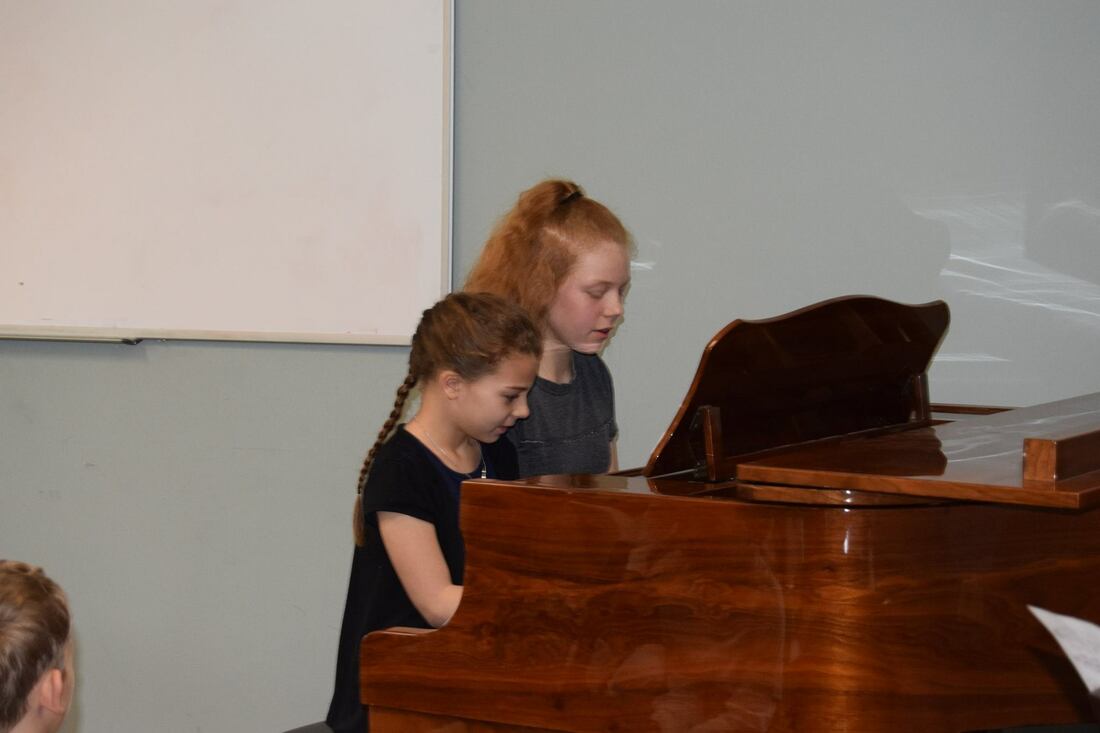
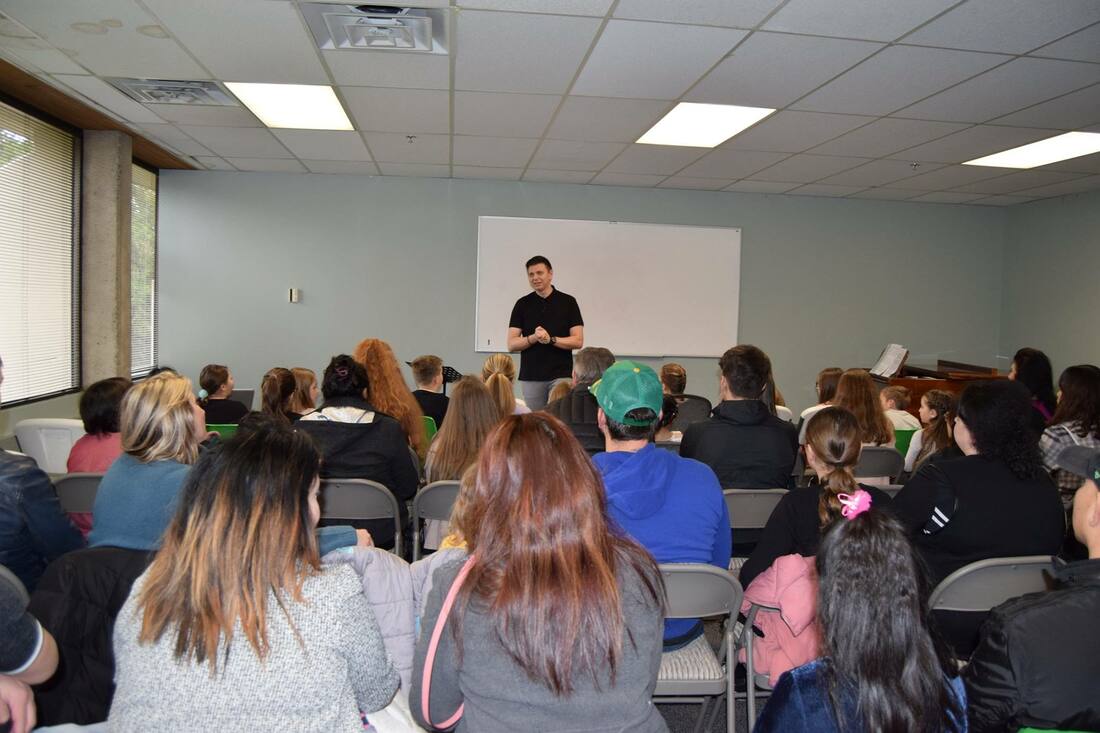
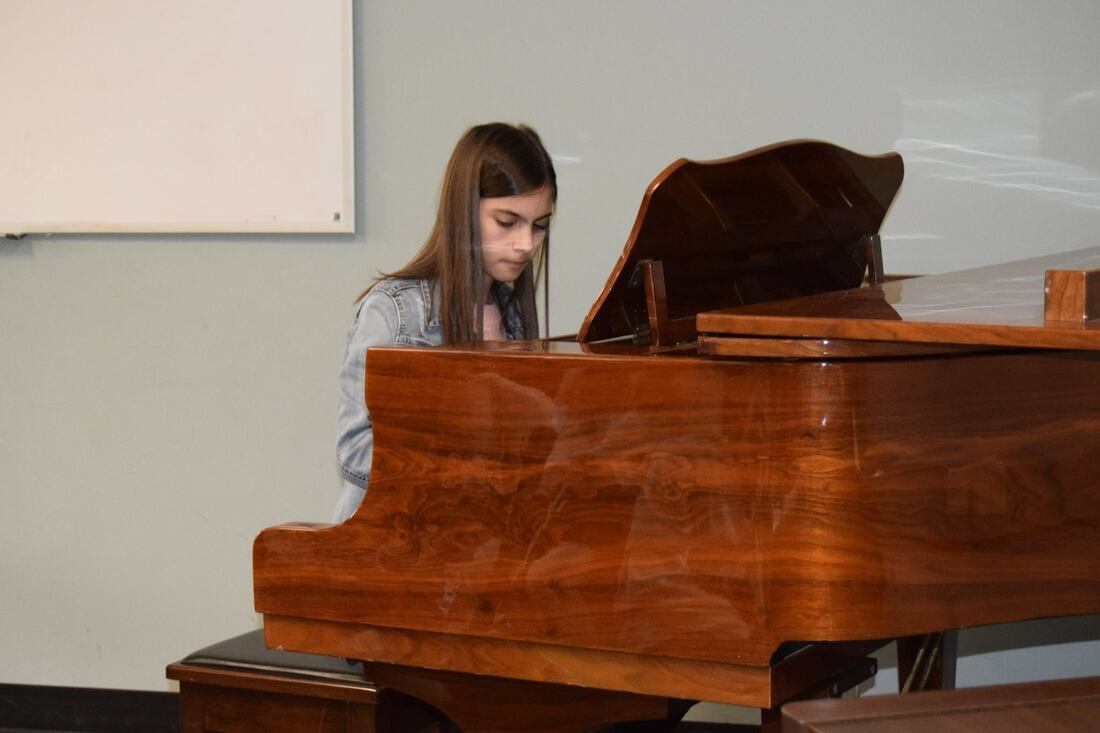
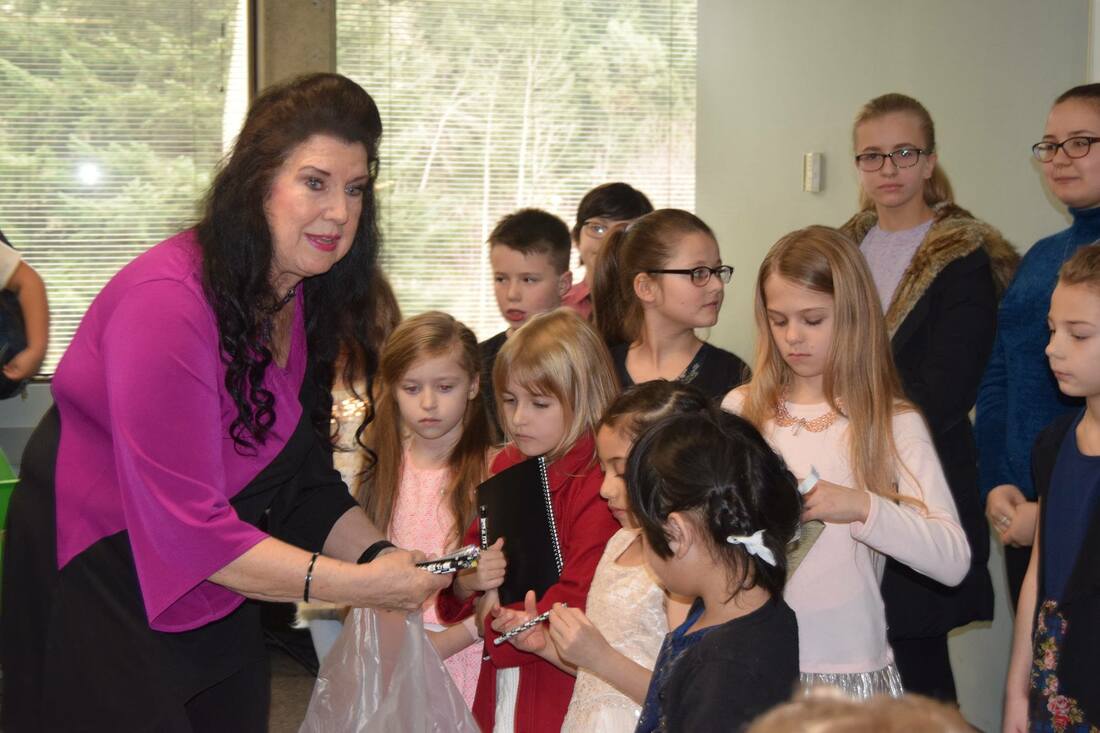
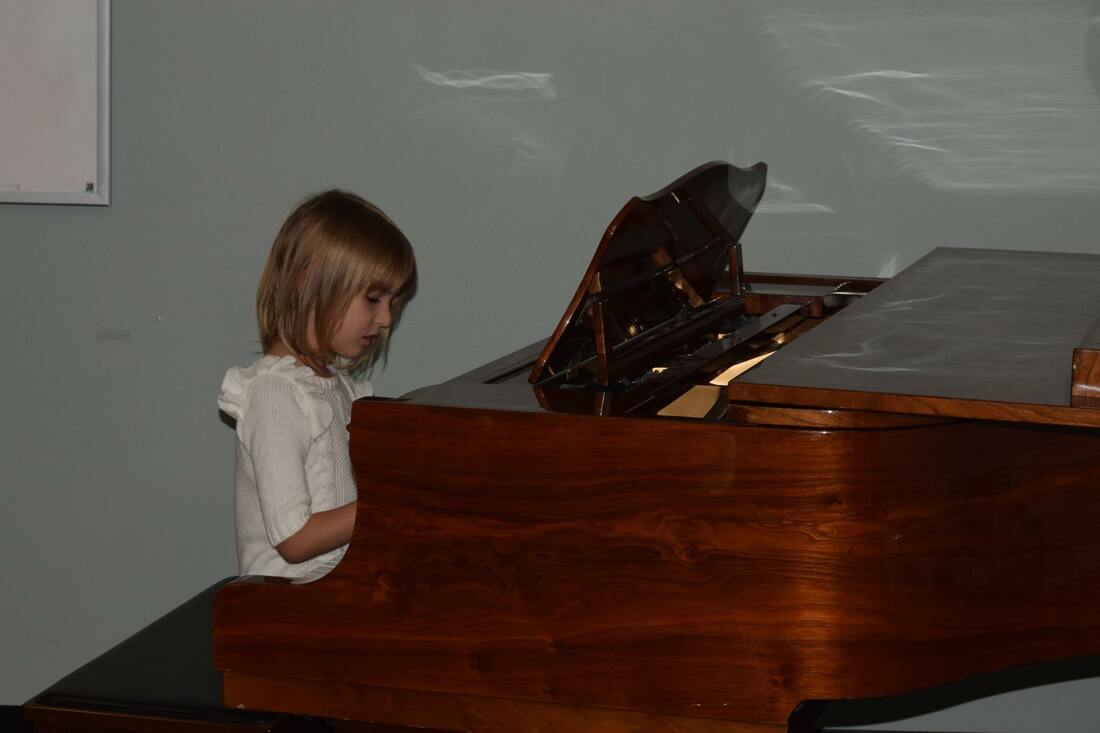
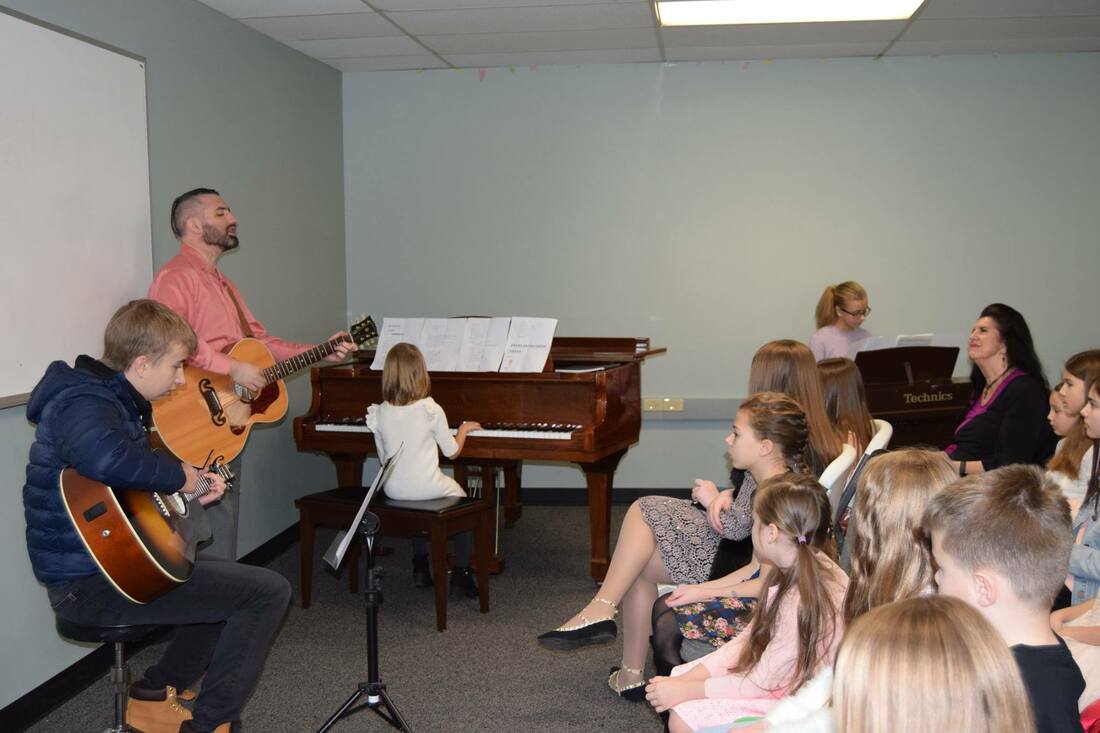
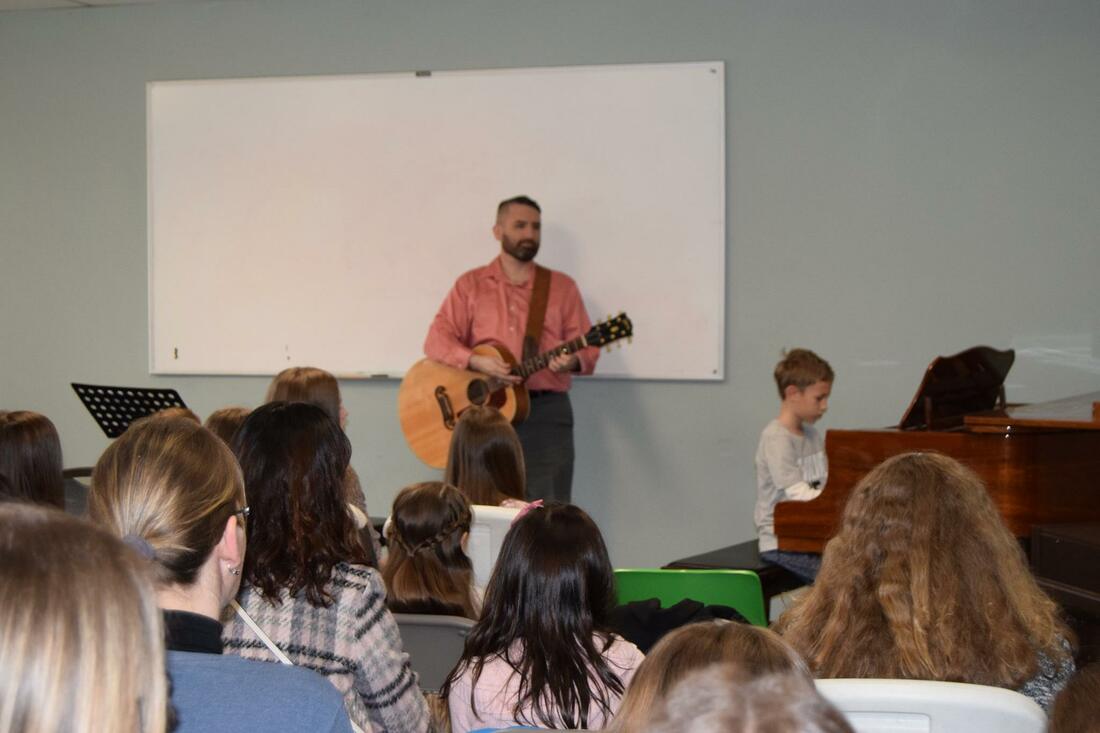
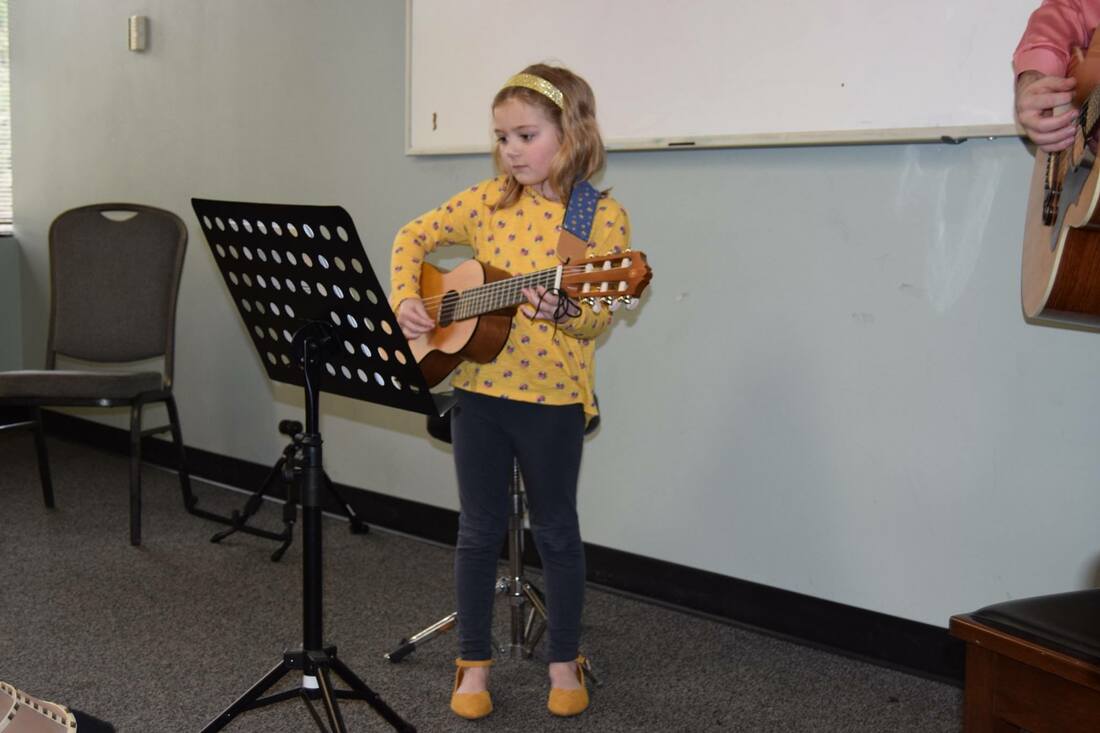
After few years of missing recital and group performances due pandemic, it was so great to see students again preforming, having fun and enjoying music. We had violin, piano, ukulele and guitar students preforming this time. The special performance was having two sisters play a duet piano and violin a beautiful Minuet in G major by Bach. Few of our students performed for the first time and it shows how brave they are. A big thanks to our professional and amazing teachers Jannet and Roman. We also want to say thank you parents for continuing to invest in your talented children. Live Music Academy started in 2012 at Federal Way and opened new location in Bellevue in 2019. We love to see students that are fulfilling their dream and playing music they love. 
0 Comments

Developing Finger Dexterity In Music

10/5/2020

0 Comments

 
Picture
Picture
Picture

I started teaching piano when I was 14 years old.  Being a teacher for 57 years, I have much experience working with all ages and all levels of  students.  I believe in instilling correct habits from the very first lesson.  Correcting bad habits is much harder to do.

In working with young beginner students to develop dexterity with their fingers I used to start them out playing 5 finger scales going from C to G and back to C, all around the Circle of Fifths.  But in working with those same students as time goes on, I am seeing that they have a problem remembering to put the thumb under for the full scale.  So now when I start any age child on scales I teach them the whole scale showing them how to transfer the hand from the C position to the F position and so on.

In teaching dexterity with the students hand, it is important to show them how some fingers are strong and some are weak.  The thumb, that we call the 1st finger is the strongest and the loudest.  With playing the thumb one has to be very careful not to allow it to lay down. It needs to be held up slightly and the thumb played on the outer corner.  I show the child the OK sign with the thumb and 2nd finger.  I say to them, “we are doing OK, not hitch hiking,” and I show them the hitch hiking sign with the  thumb.  Interesting enough, many children have never seen those signs before.  I guess those signs are outdated. I will continue writing this post each week.  I hope I will get responses from my readers and other teachers.
​- Sharon 

0 Comments

Spring 2019 updates

3/22/2019

0 Comments


New instructors

We are excited for the new quality teachers that joined our staff this semester. We were able to schedule more students and provide a better service. This semesters our instructors are teaching piano, guitar, violin, viola, ukulele, drums, mandolin and voice. 
Diana
Ryan
Karen
Sharon
Bridget
Joe
Cedrik

Winter recital

​Live music academy students performed at winter recital on February 23rd 2019.  Its so great to see how much students improve just from a previous semester. Thank you parents and friends for supporting and cheering them on.
More pictures

Important dates

April 15-20 Spring break. There will be no lessons except for make up lessons.
 
June 15 Summer recital. We are getting ready for a big event our summer recital. More information will follow.
 
Summer 2019 – July and august we will continue teaching individual lesson and some group lessons that we call “Summer Camps”. We encourage students to continue to play the instrument as they have more time to practice during the summer. 

New location in Bellevue 

Picture

​April 2019 – we are starting to teach piano and voice lesson at Bellevue location. If you have some friends that live in the area, be sure to let them know. Bridget Hermano is one of the instructors teaching voice at Bellevue location. Our goal is to teach all instruments starting September 2019 

0 Comments

Voice lessons in Bellevue, WA

2/24/2019

0 Comments

 
Live Music Academy is offering voice lessons at a new location Bellevue, WA this semester. LMA opened its doors at Federal Way location 7 years ago. Drum, voice, piano, guitar and other lessons will continue to be available at Federal Way location. Starting March 2019 you will be able to take voice lessons at Bellevue Location by LMA. To find more information and set up voice lessons with Bridget please call 253-641-6147 

Picture
Bridget Hermano is a Private Voice instructor born and raised in Seattle, WA. Starting early, she was enrolled into the Seattle Girls' Choir at the age of 10. She then became a vocal student of popular singer/songwriter of the Philippines, Cecile Azarcon Inocentes for 7 years.

Throughout the years Bridget received additional vocal training at the University of Washington and with vocal coach, Craig Derry in New York City. She became involved in local music ministries and worship teams and has entered and won several singing and songwriting competitions. Her popular accolades include Kiro 7's televised singing competition Seattle's Stars as a Viewer's Choice finalist and recently making the girls Top 20 contenders in FOX's American Idol 2013.

​"Voice lessons empowered and uplifted my life at a young age and I'd love to do the same for others. It's always a blessing to participate in competitions and events but there is no joy comparable to helping students reach their goals vocally." - Bridget

0 Comments

Meet Our New Drum Instructor

3/6/2017

0 Comments

 
Picture
Cedric Thomas is a musician and producer
who has played, peformed,
and directed music his entire life.

He studied  music performance and theory at
Shoreline Community College and has worked
with multiple groups such as the
Eriam sisters Michelle Lang and Stillwater.

When he is not producing music you cam always
find Cedric playing for multiple churches and
various events around Seattle .

He has also been apart of the summer musical
programs at Langston for the past five years. 

Cedric is a dedicated person who loves music and to work with young people.
Most of all, Cedric believes that to achieve your goals you must work hard,
be reliable and work with a smile because Gods got it

0 Comments

Christmas in Bellevue Concert 2016

11/23/2016

0 Comments

 
Picture
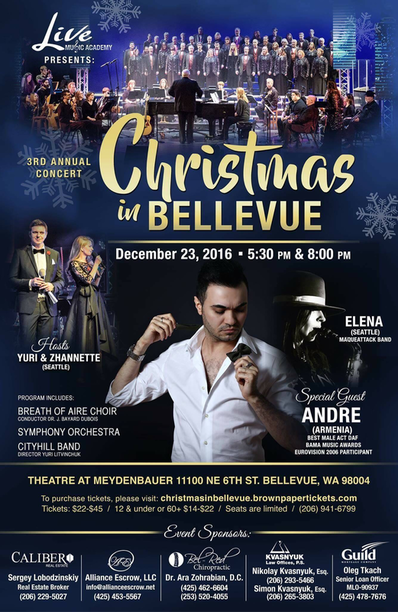
Live Music Academy presents third annual Christmas in Bellevue Concert. Join Breath of Aire Choir, Yuri Litvinchuk and Cityhill Band with a full symphony orchestra! One day only so mark your calendar on December 23, 2016 at 5:30 and 8pm.

Special Guests:
- Andre Hovnanyan Armenia
Represented Armenia in Eurovision 2006 and took 8th place with a song without your love. Andre has also recorded duets with Armenian famous singers such as Varduhi Vardanyan, Hasmik Karapetyan, Eric and famous American singer Samantha Jade.
Don't Leave Me dedicated to children sick of cancer, was in the first place on TV charts for 10 weeks in a row. For recognizing children with cancer the song got Special Award, Armenian Song of the Year, at Moscow, Russia. Also Andre has received Honorary Artist of the Republic of Armenia which is given for high skills and great merit in promotion of arts. He has won many other awards and 1st places on TV charts. Andre has made a world record in history of X Factor by being the only judge throughout the history of X Factor that entered the final with the three participants at the same time. In 2016 Andre pariticipated in Daf BAMA Music awards, where he again won "Armenian Best Male Act" award. Currently Andre is in LA working on his own reality TV Show called "Andrenaline".

-Elena Maque Seattle
Being a student of the legendary Russian jazz giant Gennady Golshtein, she was offered to join his big band "Saxophones of St.Petersburg", which carried in it some of the finest musicians of the city. Combining classical music, jazz and funk styles led Elena to creating a unique and individual sound. She started working with famous Russian and European Djs as well as her own quartet playing jazzy house, soul and electro funk in Russia and Europe. Currently Elena is traveling and performing with her new band MaqueAttack.

- Yuri Litvinchuk pianist, composer, singer and founder of Live Music Academy. Performs with instrumental band City On A Hill, accompanied by a symphony orchestra. Tours both in America and Europe.

-Breath of Aire choir members come from across the state of Washington and range from students to retirees, many of whom are professional musicians. Dr. J. Bayard DuBoi has been conducting Breath of Aire since it was formed in 1999. Bring your friends and family as we celebrate together Christmas and New Year

Dont miss this incredible opportunity to experience the joy of holidays with your favorite songs and carols in different languages. You will hear traditional English Christmas songs, Armenians, Jewish, Italian, contemporary medleys and Ukrainian and Russian carols.
Ticket price - $22-45
Kids and Seniors - $14-25.
​
Meydenbauer Center
11100 NE 6th St
Bellevue, Washington

Get your tickets now
Picture
0 Comments
<<Previous

    Categories

    All
    Choir
    Christmas Concert
    Easter Concert
    Instructors
    Promotion
    Recital
    Summer Camp

    RSS Feed

Powered by Create your own unique website with customizable templates.
  • HOME
  • ABOUT US
    • CONTACT US
    • SCHEDULE
  • INSTRUCTORS
  • LESSONS
    • DRUM LESSONS
    • GUITAR LESSONS
    • PIANO LESSONS
    • VOICE LESSONS
    • VIOLIN/CELLO LESSONS
    • THEORY / PERFORMANCE
  • MEDIA
    • BLOG
  • SIGN UP
    • Bellevue Sign up
    • FW Sign up
    • Online Sign up
  • PAYMENT
  • RECITAL